
Pneumatic Valves vs. Manual Valves – Which One Should You Choose?
18 December, 2025 | Admin
Introduction
In all industrial systems, valves are an indispensable component for controlling, directing, and regulating fluid flow. Be it oil refineries, power plants, water treatment plants, or manufacturing facilities, choosing the right valve type can have a direct impact on performance, efficiency, and safety. Two of the most widely available options include pneumatic valves and manual valves — both with distinct benefits based on operational requirements. At Hydranex Global LLP, we specialize in both pneumatic and manual valve systems, helping industries choose the perfect solution for their applications through engineering precision, quality assurance, and global export support.
Understanding Pneumatic Valves
Pneumatic valves are driven by compressed air or gas pressure to manipulate the motion of the valve actuator. This automation provides fast, accurate, and repeatable operation without the need for human intervention. They find extensive application in industries where frequent control, precision, or remote operation is needed — for example, in chemical processing, oil and gas plants, and power generation. At Hydranex, our pneumatic valves are designed with high-performance actuators, corrosion-resistant housings, and state-of-the-art sealing technology, which provide consistent performance even in extreme environments. These valves can be incorporated into automated control systems and suit large-scale or hazardous environments where human access is restricted.
Manual Valves
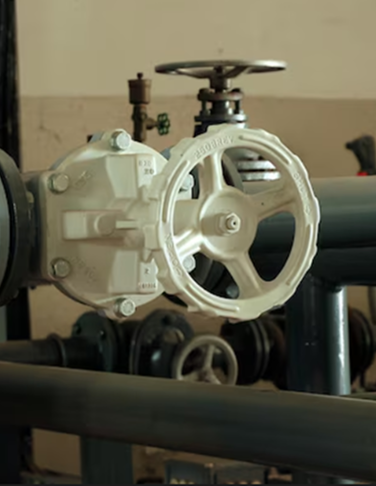
Manual valves, however, use hand-operated systems of levers, wheels, or handles to manage flow. They are uncomplicated, inexpensive, and highly long-lasting, which makes them the popular option in less sophisticated systems or operations where there is no need for constant adjustment. Hydranex produces an extensive line of manual gate, globe, ball, and butterfly valves, all of which are made with strong construction, smooth operation, and long lifespan. They are easy to maintain and cost-effective for industries that involve water treatment, manufacturing, and agriculture where manual monitoring is possible.
Key Benefits:

Comparing Performance and Application
The selection between pneumatic and manual valves is primarily based on process automation, safety, and scale of operations. For automated plants or systems requiring remote operation, Hydranex pneumatic valves provide the best performance and speed. For typical or low-cost systems, Hydranex manual valves offer ease and dependability with low maintenance requirements. Hydranex Global LLP ensures both types comply with international standards (ISO, API, and DIN), providing products certified for leak-proof operation, pressure resistance, and long-term life expectancy.
The Hydranex Advantage
Regardless of whether you opt for pneumatic or manual valves, Hydranex guarantees each product to offer engineering accuracy, international conformity, and unparalleled reliability. We have rigorous quality tests implemented in our manufacturing plants, and our export chain ensures timely supply across the globe. Every valve is designed according to your industry's precise requirements, complemented by Hydranex's professional team that offers support from selection to commissioning.
Conclusion
When it comes to choosing between pneumatic and manual valves, there's no single answer. It's about your process needs, degree of automation, and operational safety. With Hydranex Global LLP, you don't select a valve — you select a partner that brings together engineering expertise, innovation, and reliability to ensure your systems run with maximum efficiency. Hydranex Global LLP — Redefining Fluid Control with Precision and Performance.
Related Posts
Read more posts
Explore our related posts section and discover additional articles, insights, and resources.